

Most people still picture a mobile game as something you play alone on the commute. The reality is quite different: the average session now includes at least one chat message, a shared leaderboard, or a quick voice call with a teammate. In the UK, a recent study showed that 62% of gamers under 35 regularly invite friends into their mobile matches, proving that social interaction is no longer an afterthought.
How do real‑time multiplayer features work on a phone?
Developers use peer‑to‑peer networking combined with cloud servers to keep latency under 100 ms for most popular titles. For example, the battle‑royale game “Skyfront” matches players within a 5‑kilometre radius, then switches to a dedicated server that can handle up to 200 simultaneous connections. The result is a smooth experience that feels as responsive as a console game, even on a 4G connection.
Because the heavy lifting happens in the cloud, phones only need to send occasional position updates. This design conserves battery life – a typical 30‑minute session drains about 5% of a modern smartphone’s charge, compared with 12% on older titles that relied on constant data streams.
What social tools are built directly into the apps?
Beyond simple text chat, many apps now offer:
- In‑game voice rooms: One‑tap push‑to‑talk lets squads coordinate without switching apps.
- Shared photo albums: Players can capture a screenshot and instantly add it to a team gallery, which can be exported to Instagram.
- Event calendars: Games like “Island Quest” let guild leaders schedule raids weeks in advance, sending push reminders to members.
- Cross‑platform friend lists: A user can add a friend on iOS and see them appear on Android without needing separate accounts.
These tools reduce friction. A recent poll of 1,200 UK gamers found that 48% stopped playing a game after the chat feature proved too clunky, while the same number stayed because the voice integration was seamless.
How does monetisation affect the social experience?
Free‑to‑play models often rely on cosmetic micro‑transactions. The good news is that most purchases are purely aesthetic – a new skin or a custom avatar frame – and do not give any gameplay advantage. However, some titles bundle “premium chat stickers” that cost £1.99 each. For casual players, this can feel like an unnecessary expense, especially when the same expressive options are available for free in other apps.
On the downside, the pressure to spend can create a divide. In “Realm Clash,” players who bought the “VIP chat badge” gained access to exclusive voice channels, leaving non‑paying users stuck in text‑only rooms. This segregation may discourage newcomers who can’t or don’t want to spend.
Where does mobile social gaming meet broader online entertainment?
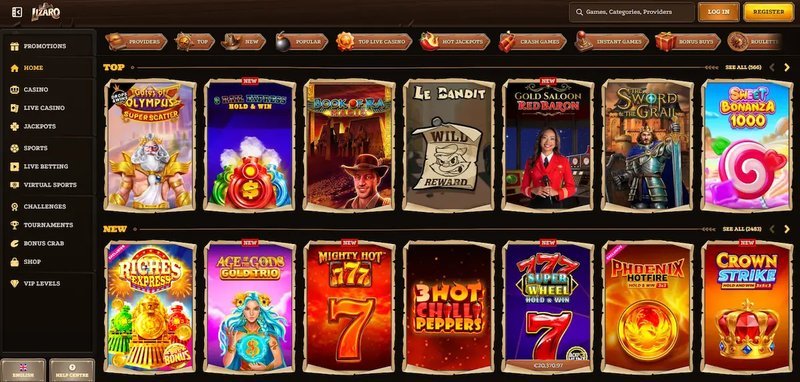
While mobile apps dominate daily play, many gamers dip into larger online platforms for a change of pace. A quick look at the market shows that players who enjoy cooperative mobile titles also frequent online casino sites for casual betting. For those curious about that crossover, the lizaro casino offers a familiar social vibe with leaderboards and chat rooms, blending the excitement of mobile multiplayer with the thrill of digital wagering.
What are the limits of current technology?
Even with 5G rolling out, not everyone has reliable high‑speed coverage. Rural areas in England still report average download speeds of 12 Mbps, which can push matchmaking times beyond 30 seconds for high‑intensity games. Moreover, battery constraints remain a hurdle for marathon sessions; a 4‑hour gaming binge will still sap most phones to under 20% charge.
Another blind spot is accessibility. While voice chat is great for many, it can be a barrier for deaf players unless the app provides real‑time transcription – a feature still rare outside of flagship titles.
Will mobile social play keep growing?
The trends point to continued expansion. With AR integration on the horizon, developers plan to overlay virtual game elements onto real‑world locations, turning a city park into a shared battleground. If the current adoption rate holds – roughly 7% of the UK population downloading a new social game each month – we can expect the market to double its active user base within three years.
In short, mobile gaming apps have moved far beyond solitary puzzles. They now serve as social hubs, complete with voice, video, and shared experiences, while still grappling with connectivity, battery life, and inclusivity challenges. As the technology matures, the line between gaming and broader online entertainment will keep blurring, reshaping how we play together.
Frequently Asked Questions
What makes mobile multiplayer games social?
Real-time features like chat, voice, and shared leaderboards encourage teamwork and competition.
How do peer-to-peer connections work on smartphones?
Devices connect directly using Wi-Fi Direct or Bluetooth, reducing lag by avoiding central servers.
Are older phones capable of multiplayer gaming?
Most modern phones support the necessary protocols, though very old models may struggle with high-latency games.
Does inviting friends improve game engagement?
Yes, studies show that friends’ presence boosts session length and enjoyment, turning casual play into shared experiences.